You Don't Need to Learn It All


When people start learning a new language later in life, many try to "cover everything": all grammar, all vocabulary, every topic. It feels logical, but this broad approach usually slows progress.
A more effective strategy is to narrow the scope. Focus on what you actually need, not on every phrase you might use one day. If your communication is mostly work-related, start with job vocabulary. If you need everyday conversations, prioritise daily topics. Clear focus gives quick wins and material you can apply immediately.
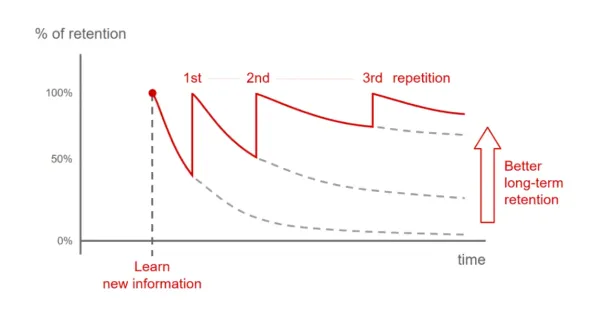
When you try to study too many topics at once, you overload your memory with things you won't use. The brain still spends energy trying to store them, but without real repetition these items disappear quickly. You lose them anyway but the time and mental effort are already gone.
Language courses and apps often include rare or highly specific words that almost never show up in daily communication. The same happens with grammar: learners try to master every structure even though most advanced forms aren't used in normal speech. It's far more effective to perfect the basics, the patterns people actually use.
The idea is simple: progress comes from priorities. When you limit the scope, your brain works more efficiently. You stop wasting energy on things you won't use. You remember faster. You speak sooner.
A narrow path leads to faster progress.